
Is Heartburn or Reflux Normal? Pay Attention to and Learn the Signs
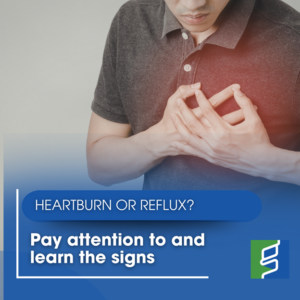
Heartburn, acid reflux, and Gastroesophageal Reflux Disease (GERD) affect millions of adults — yet they’re often misunderstood. The burning sensation in your chest typically starts in your digestive tract, and continued heartburn and reflux are signs that something isn’t right.
As trusted gastrointestinal specialists in Troy, Michigan, we want you to feel confident about what you can do to alleviate the pain and discomfort, and prevent future occurrences when possible.
What’s the Difference: Heartburn vs. Reflux
While heartburn and acid reflux are similar, there’s an important distinction to know about:
Heartburn: A symptom
Heartburn is the burning sensation you feel in your chest, usually after eating. It happens when stomach acid backs up into your esophagus (the tube that connects your mouth to your stomach). That acid isn’t supposed to be there, and it causes irritation, leading to pain and discomfort.
Reflux (GERD): The condition
Reflux is the underlying condition that causes acid to escape from the stomach into the esophagus. When this happens frequently, it’s called GERD (Gastroesophageal Reflux Disease).
Reflux can lead to a variety of symptoms, including:
- Heartburn
- Regurgitation (a sour or bitter taste in the mouth)
- Chronic cough
- Difficulty swallowing
- Hoarseness
What Causes GERD and Chronic Reflux?
Reflux happens when the lower esophageal sphincter (LES) — a muscle that acts as a gate between the esophagus and stomach — doesn’t close properly. This can allow stomach acid to escape upward, irritating the esophagus, and causing you to feel a burning pain.
Common triggers include:
- Fatty or spicy foods
- Caffeine or carbonated drinks
- Large meals
- Smoking
- Certain medications
When reflux happens more than twice a week, it may be GERD, a chronic condition that can lead to complications if untreated.
For instance, reflux can lead to Barrett’s esophagus and esophageal cancer even if symptoms respond to medicine, so it is important to always seek care from a GI specialist.
Signs It’s More Than Occasional Heartburn
Call your gastrointestinal specialist for an appointment if you notice:
- Frequent heartburn (more than 2× per week)
- Difficulty swallowing
- Persistent cough or hoarseness
- Regurgitation of food or sour liquid
- Chest discomfort affecting sleep or daily activities
These symptoms can signal that acid is repeatedly irritating the esophagus, and that an evaluation, lifestyle changes, or treatment may be able help.
Tips for Managing GERD Every Day
Try these strategies:
- Eat smaller, more frequent meals
- Avoid trigger foods in the evening
- Don’t lie down within 2–3 hours after eating
- Maintain a healthy weight
- Elevate the head of your bed
These lifestyle changes can make a big difference, but they’re most effective when paired with medical guidance so we can determine what the cause is and if there are other concerns to address.
How We Help at Gastrointestinal Specialists, P.C.
Don’t ignore the signals your body sends. Understanding the symptoms and causes of heartburn and acid reflux can help you find ways to protect your gut.
At Gastrointestinal Specialists, P.C., our knowledgeable experts provide personal care to get you on the path to feeling better: Whether it’s lifestyle guidance, diagnostic testing, or advanced treatment options.
And with our on‑site surgical center in Troy, you can get many procedures done more comfortably, quickly, and often at lower cost than in a hospital.
Ready to talk about reflux or get evaluated? Schedule a consultation or GERD assessment today with Gastrointestinal Specialists, P.C. in Troy, Michigan.